Englisch
  Deutsch
Avoid Neck Pain, Eye Fatigue, Hand Strain
A Guide to Ergonomic Solutions in Clinical Microscopy
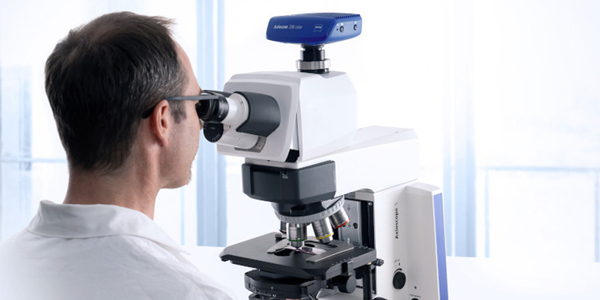
Autor: Bitesizebio, Midlothian, UK / provided by: Carl Zeiss Microscopy GmbH
1. Introduction
Extensive use of microscopes in clinical settings often leads to occupational injuries, as evidenced by medical studies and data. More than 77% of users report musculoskeletal discomfort, predominantly experiencing pain in the shoulders, neck, and back. These conditions are notably prevalent among professionals in microbiology, cytology, hematology, and pathology, who may endure fatigue due to prolonged periods of sitting in uncomfortable positions and managing complex microscope controls. Given this, ergonomics is a critical consideration in selecting microscopes for clinical laboratories, where technicians, doctors, and researchers typically spend several hours each day engaged with these instruments [1]. With the aim of improving the well-being of microscope users, ergonomics specialists at ZEISS, in collaboration with Bitesize Bio, have developed this comprehensive guide. It is designed for clinical microscopists to enhance comfort, protect against joint stress, and maintain overall health during microscope use.
We encourage you to distribute this guide among your colleagues and staff or use it as an educational tool to facilitate a healthier, more comfortable work environment.
Ergonomics is a critical consideration in selecting microscopes for clinical laboratories, where professionals in microbiology, cytology, hematology, and pathology typically spend several hours each day engaged with these instruments. Extensive use of microscopes may lead to pain in the shoulders, neck, and back. But there are ways to enhance comfort, protect against joint stress, and maintain overall health during microscope use.
2. Ergonomics in the Workplace
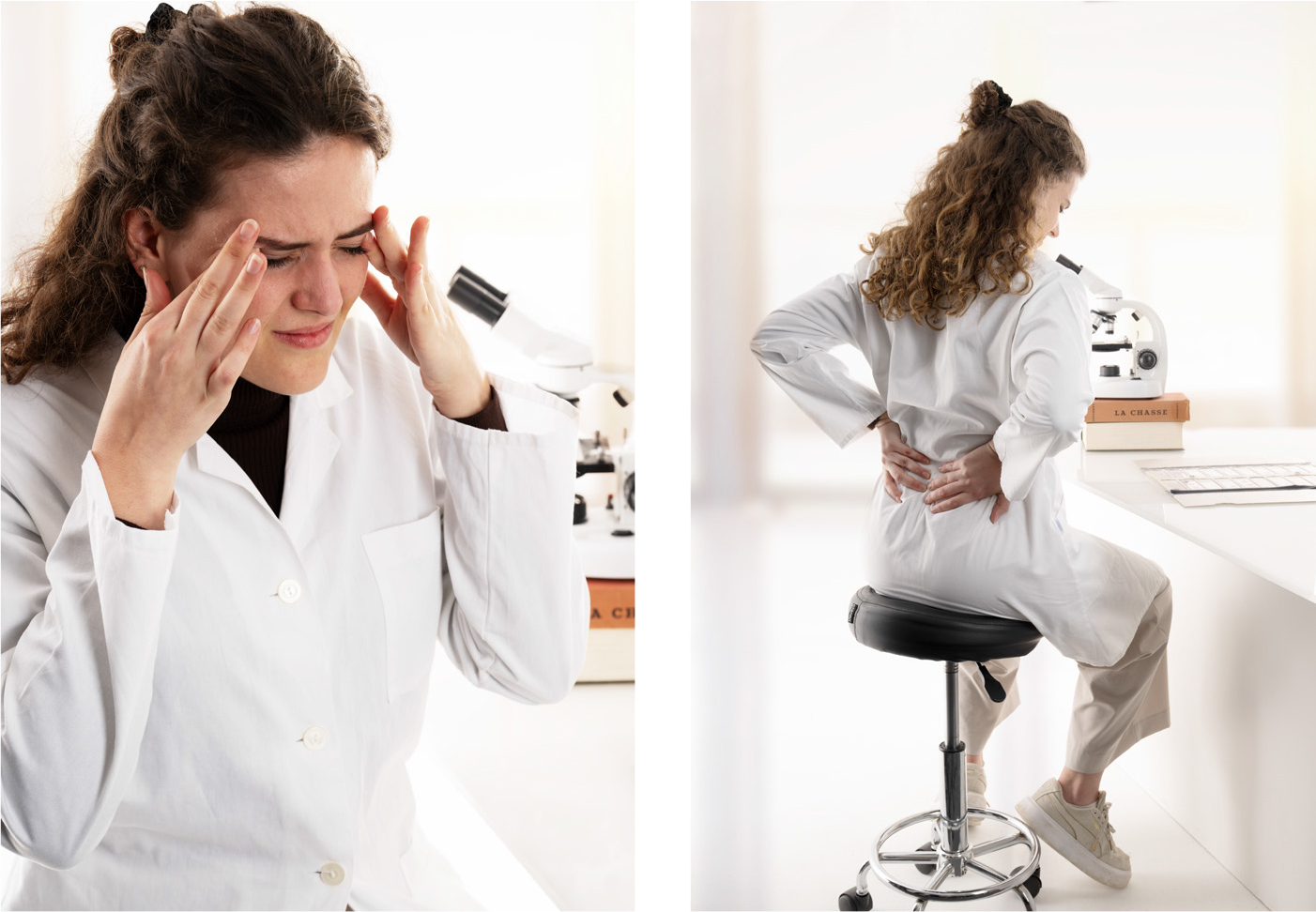
Many common ergonomic issues in microscopy stem from insufficient viewing heights, causing users to adopt awkward postures. Even with a correct sitting posture at the worktable, most users struggle to comfortably access the eyepieces of traditional laboratory microscopes. This often results in users extending their necks forward, overusing the muscles in the back and neck, and compressing the front of the neck joints (Figure 1).
This continuous strain prevents muscle rest, leading to increased fatigue and pain. Additionally, the global variance in body heights, including populations from Scandinavia, Central and Eastern Europe, Japan, and Southeast Asia, further complicates ergonomic standardization [1]. Inadequate support for the lower arms can lead to discomfort and clumsy microscope operation. Other issues include tension in the back and head muscles and inefficient operation of controls due to users maintaining a wide arm position.
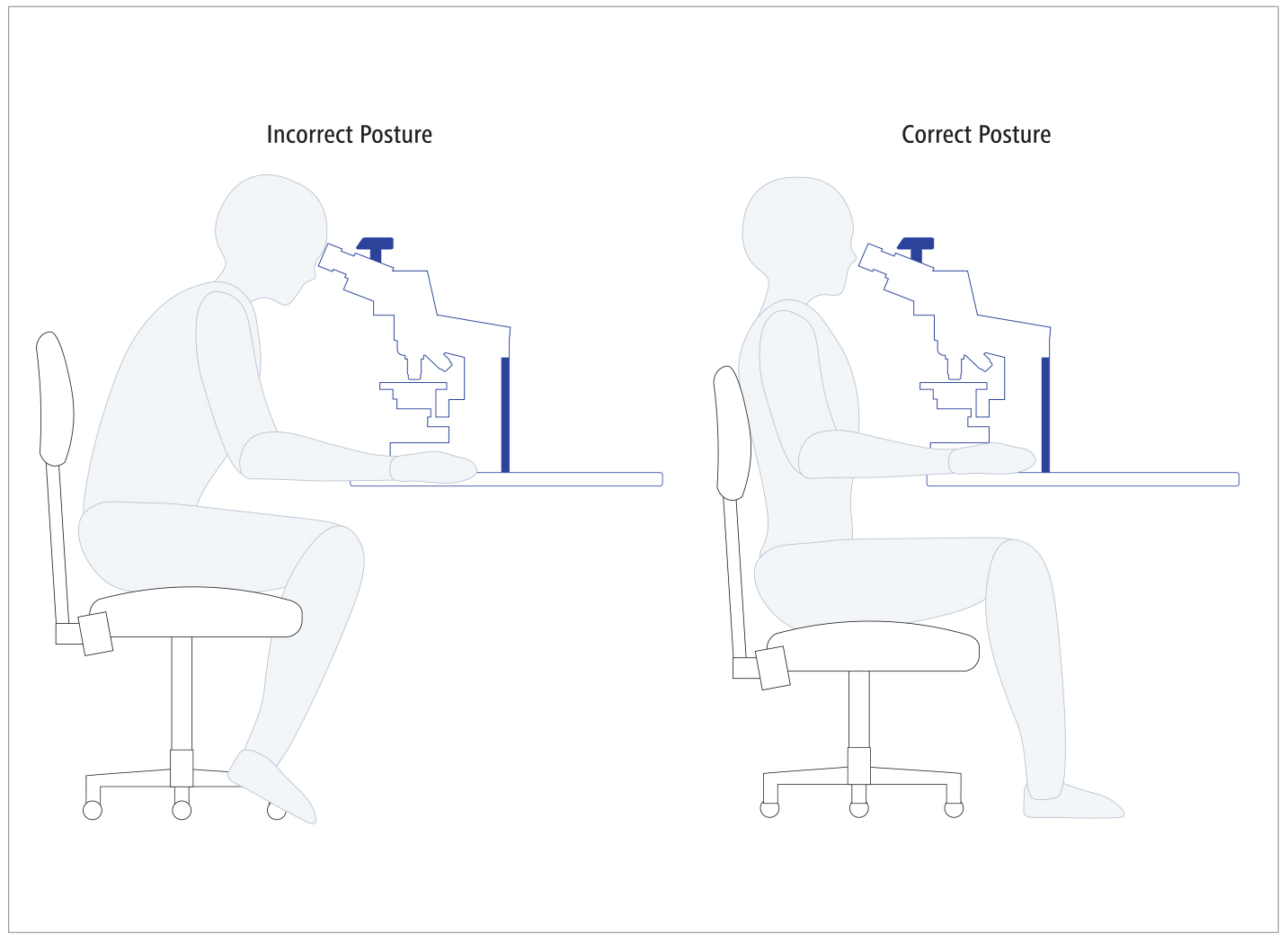
Figure 1 Ergonomic Posture for Microscope Use. A comparison of the incorrect (left) and correct (right)
seating positions for using a microscope, emphasizing proper posture to prevent musculoskeletal strain.
Reference
[1] Zenner-Gellrich S. Breakthrough in Ergonomics for Laboratory and Clinical Microscopes. Microscopy Today. (2013) 21(5):18–21. doi: 10.1017/S1551929513000631.
Investing in ergonomic enhancements for clinical microscopy workplaces offers substantial benefits:
Reduced Absenteeism
Ergonomically designed workstations prevent musculoskeletal injuries and discomfort, decreasing the likelihood of employees taking
sick leave due to work-related issues. This fosters better health and well-being, leading to reduced absenteeism and ensuring consistent productivity.
Increased Productivity
Implementations like adjustable furniture, appropriate sample illumination, and ergonomic microscopes enhance comfort and efficiency.
Such improvements minimize fatigue and discomfort, allowing employees to focus better and work more effectively, which elevates productivity.
Improved Quality of Work
Comfortable and ergonomic microscopy environments enable employees to perform tasks with greater accuracy and fewer errors.
This translates to more precise diagnostics, better attention to detail, and higher-quality outputs, reducing the need for rework and corrective actions.
Lower Healthcare Costs
Ergonomic practices prevent work-related injuries and disorders, significant drivers of healthcare costs. Investments in
ergonomic equipment and best practices can decrease expenditures related to workplace injuries, medical claims, and rehabilitation.
Reduced Staff Turnover
An ergonomic workplace underscores a commitment to employee health and safety, enhancing morale and job satisfaction.
This is particularly impactful in specialized fields like pathology and hematology, where comfortable environments can lead to
greater job satisfaction and lower turnover, saving costs related to recruitment and training.
Compliance and Legal Costs
Ergonomic investments help organizations adhere to health and safety regulations, reducing the risk of fines, penalties, and
legal issues. Proactive ergonomic management not only ensures compliance but also mitigates legal risks and associated costs.
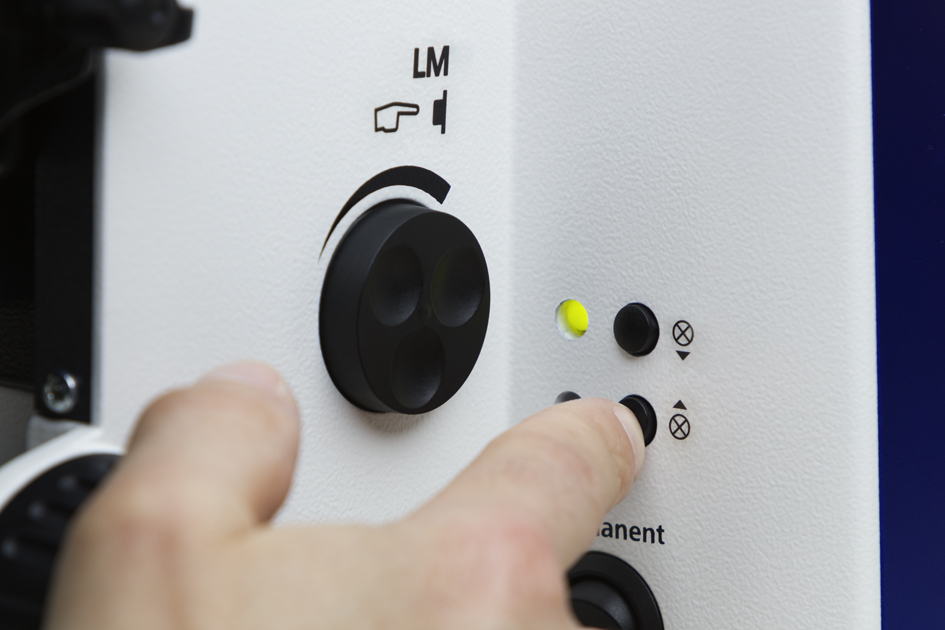
Overall, the return on investment from ergonomic interventions manifests in improved employee health, productivity, and satisfaction, alongside reductions in absenteeism, healthcare expenses, and legal liabilities. Prioritizing ergonomics benefits both employees and emp
3. Problems Directly Caused by Insufficient Ergonomics
Lack of proper ergonomic design in microscope setups can lead to significant health issues for users.
Prolonged use of microscopes without ergonomic adjustments frequently results in muscle strain and fatigue,
particularly affecting the neck, shoulders, back, and arms. These conditions are often exacerbated by awkward
postures and repetitive movements, increasing the risk of musculoskeletal disorders (MSDs) such as neck pain,
back pain, and carpal tunnel syndrome.
Poor sample illumination, incorrect eyepiece alignment, and extended periods without breaks further contribute to visual strain.
Symptoms such as eye pain, dryness, blurriness, and headaches can severely impact a user’s ability to focus and accurately
interpret microscopic images. This visual discomfort is not only debilitating but can also lead to significant errors in specimen analysis,
interpretation, and documentation, potentially compromising the quality of research or diagnostic outcomes. Furthermore,
discomfort and fatigue resulting from poor ergonomic conditions can impair concentration, attention, and overall productivity.
This reduced efficiency and accuracy may lead to critical errors in laboratory work, affecting both the user’s health and the reliability
of laboratory findings. Over time, exposure to these ergonomic risk factors, such as awkward postures and repetitive movements,
can lead to long-term health issues, including strains, sprains, tendonitis, nerve compression syndromes, and other repetitive strain injuries.
The traditional setup, which often requires the user to alternate between the microscope and a PC, can lead to increased mental load and
reduced work performance. Modern smart microscopy concepts with integrated digital documentation capabilities can alleviate these
issues by streamlining workflow and reducing the physical and cognitive stress on the operator.
In summary, chronic discomfort and pain from poor ergonomic practices can contribute to absenteeism, presenteeism, and high turnover
among microscope users. Addressing these issues is crucial for maintaining high workplace satisfaction and performance.
4. Key Aspects of Ergonomics in Clinical Microscopy
Ergonomics is essential in clinical microscopy to ensure healthcare professionals can perform their diagnostic duties comfortably,
efficiently, and safely. This section outlines the critical ergonomic considerations that should be integrated into microscope design and usage.
Instrument Design
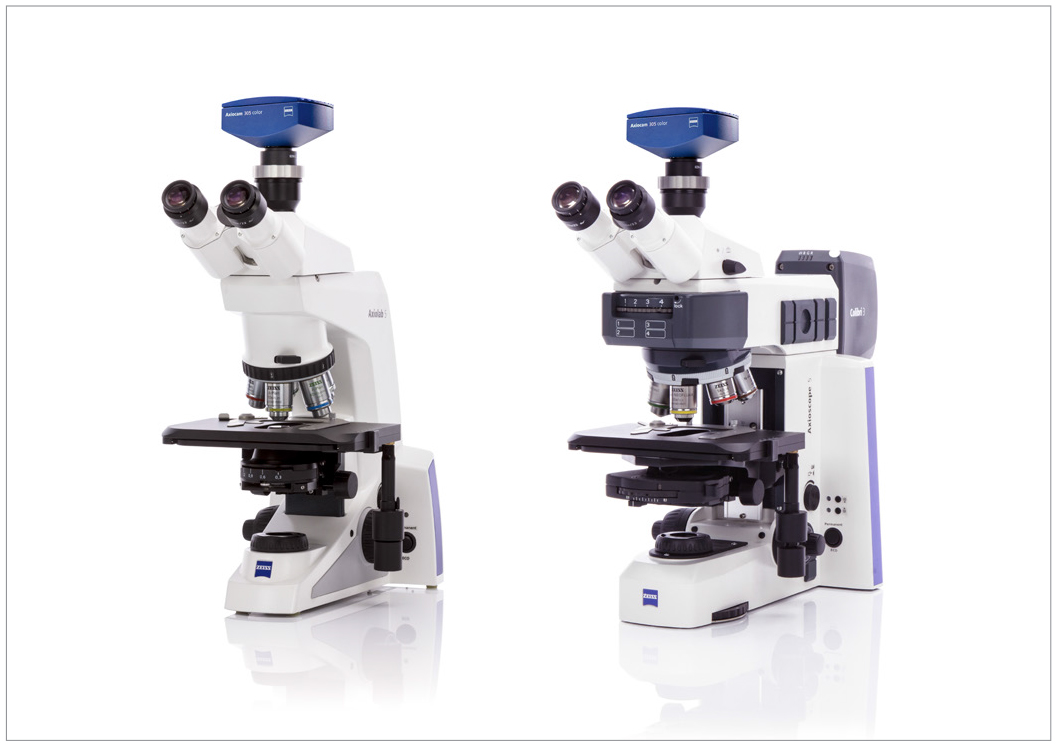
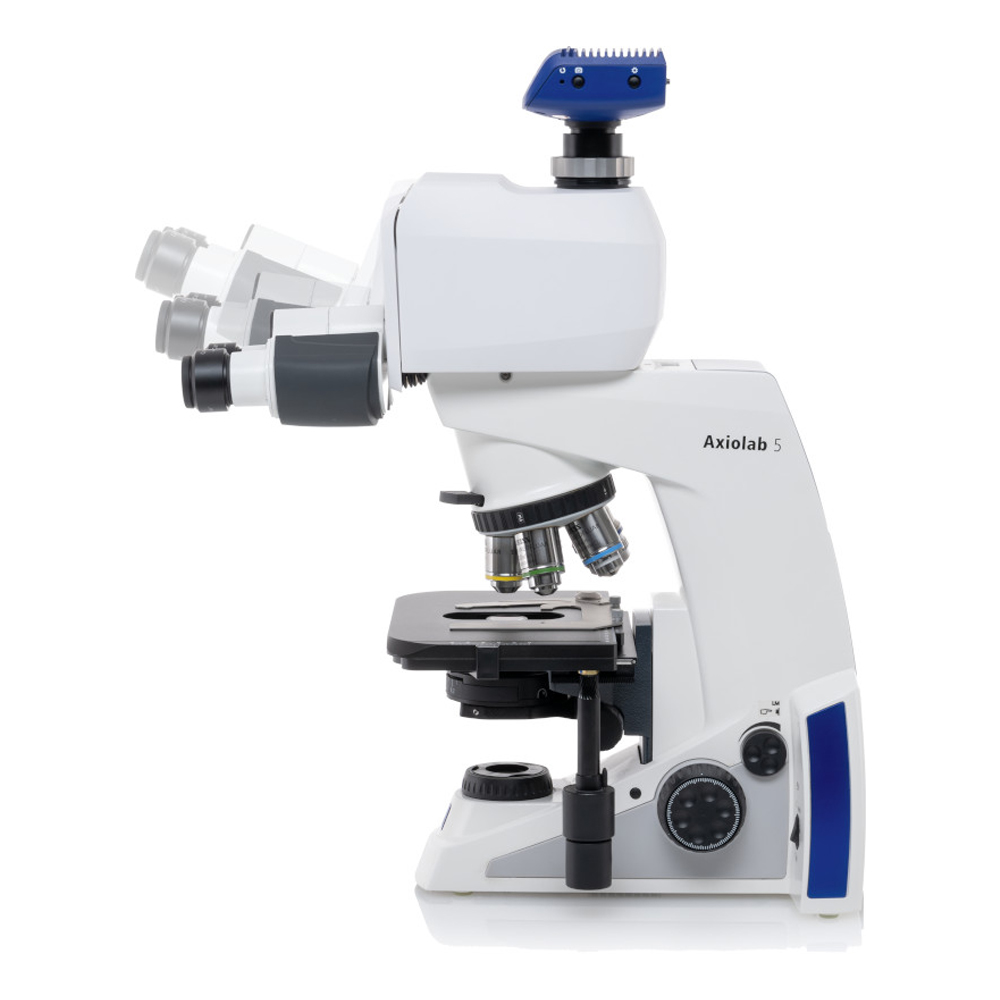
ZEISS designs routine microscopes for clinical applications with ergonomic principles at the forefront. Features include adjustable heights,
tilts and eyepiece positions with ergotubes as well as a comfortable arrangement of microscope settings and the functional buttons arrangement
to cater to users of different statures and preferences. Proper alignment of eyepieces and customization of interpupillary distances are vital for
accommodating users with varying eye separations. Additionally, ZEISS microscopes are equipped with comfortable eyepieces featuring adjustable
diopters to meet individual vision requirements.
Lighting and Illumination
Proper lighting is crucial for clinical microscopy, enabling fast and optimal specimen visualization. ZEISS microscopes are equipped with
adjustable brightness controls and a range of lighting options, including an integrated active Light Manager, to automatically ensure the
desired brightness at different magnifications and adapts to various examination techniques. The LED illumination provides very good
color reproduction and shows specimen details in natural colors.
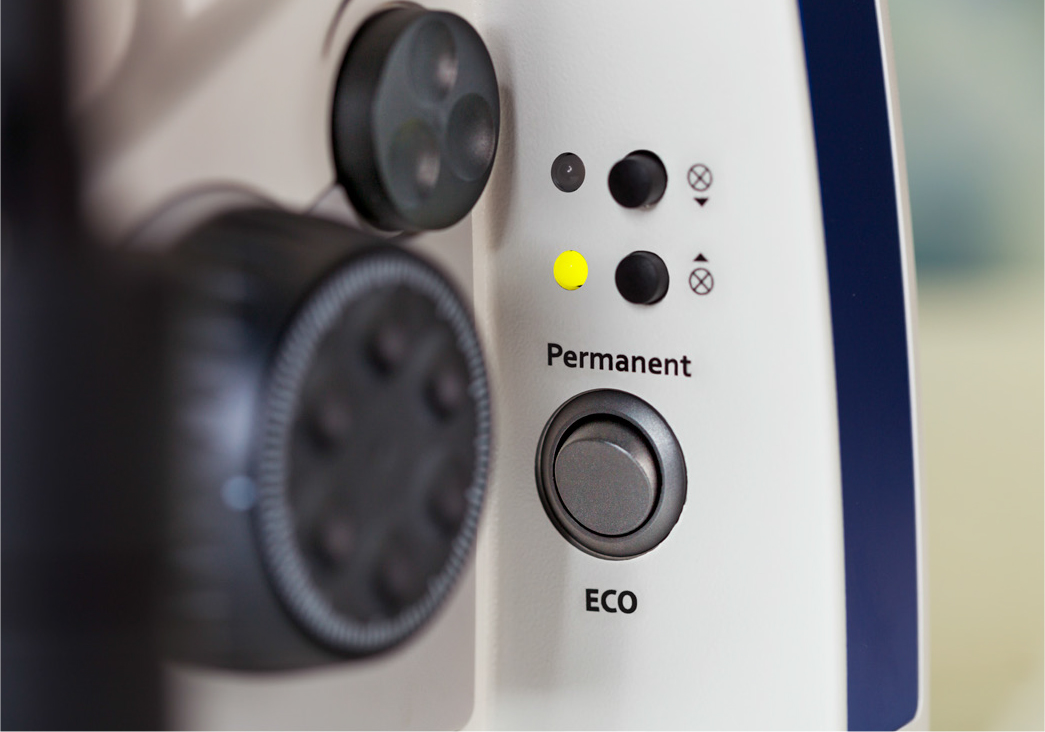
Microscope and Stage Controls
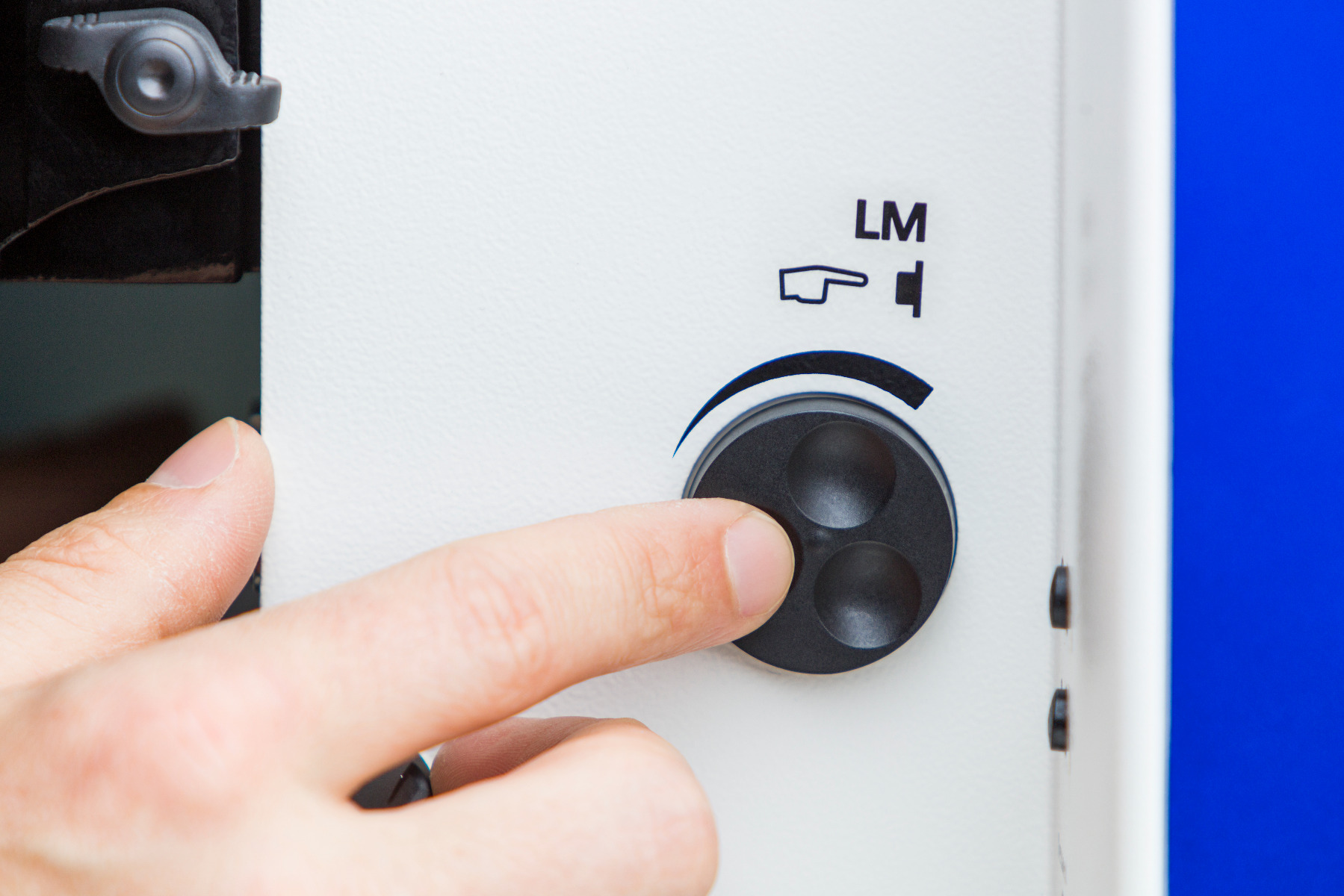
Leveraging over 175 years of experience in microscope design, ZEISS optimizes the arrangement of controls, such as focusing knobs
and XY stage adjustments. These high-quality controls are easily accessible and designed for smooth operation, minimizing strain on
the hands and wrists. Your arms can comfortably rest on the table. Advanced models feature controls that allow users to adjust the
microscope and its attached camera without altering their grip.
Documentation and Imaging
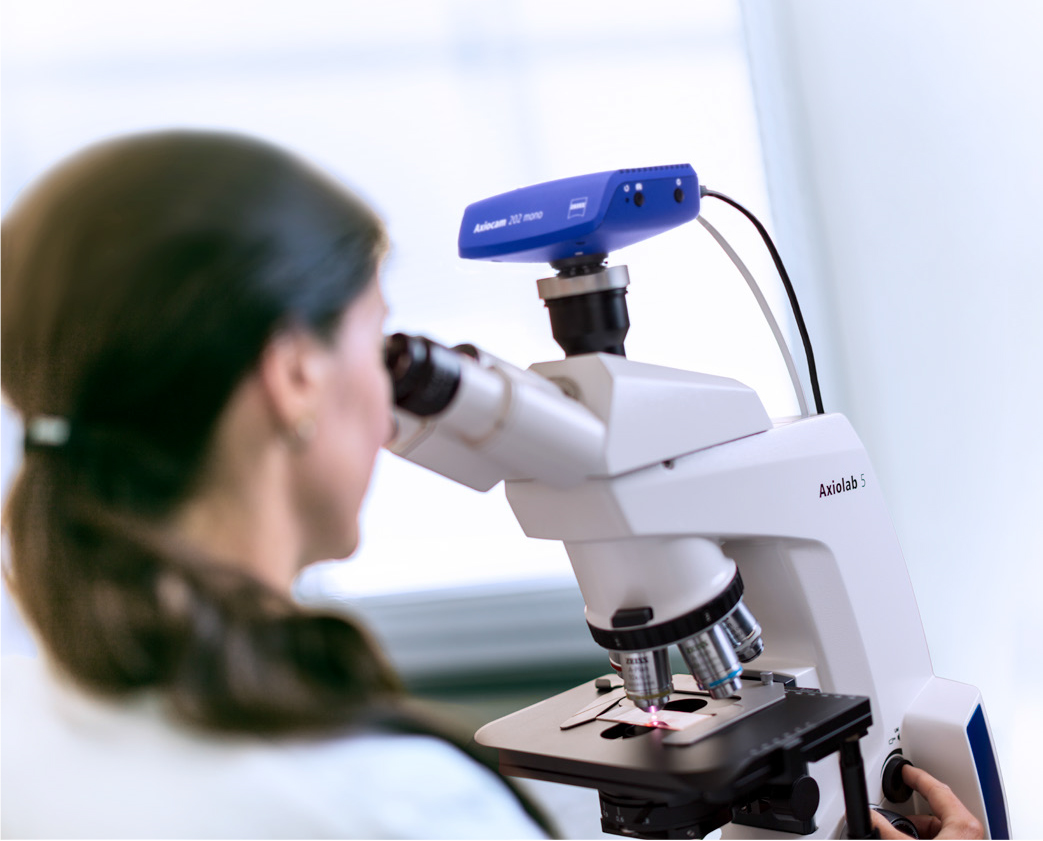
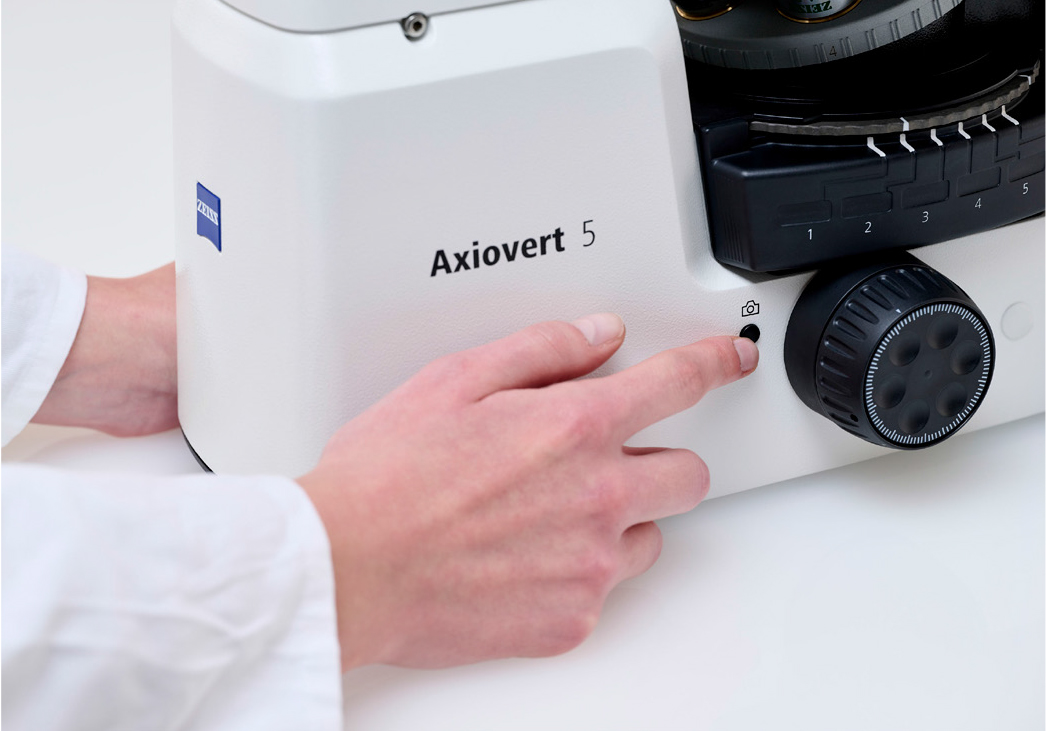
ZEISS provides ergonomic functions, such as the snap button, to facilitate the digital documentation of microscopic findings,
reducing discomfort and fatigue. The inclusion of smartmicroscope cameras, such as the Axiocam 208 color and Axiocam 202 mono,
transforms the microscope into a standalone imaging system, obviating the need for continual switching between the microscope
and a connected computer.
Workplace Seating and General Training
Adjustable ergonomic seating is vital for healthcare professionals who spend long hours at microscopes. Chairs with adjustable heights,
lumbar support, and armrests promote proper posture and reduce the risk of musculoskeletal injuries. Moreover, providing training on
proper ergonomic use and posture is crucial for the well-being of professionals who regularly use microscopes.
By prioritizing these ergonomic factors, healthcare facilities can help prevent occupational injuries, improve user comfort and satisfaction,
and enhance the quality and efficiency of diagnostic services.
5. Focus on Eye Fatigue
ZEISS, renowned for its contributions to optics and eye health, extends its expertise to the field of microscopy, emphasizing the importance
of eye care. From medical technology with advanced solutions for ophthalmology and eye surgery to innovative eyeglass lenses, ZEISS’s
commitment to eye health is comprehensive. In microscopy, mitigating eye fatigue is a pivotal concern, especially for operators who may
suffer from visual impairments such as nearsightedness, farsightedness, or astigmatism.
For novice microscopists, there is a common misconception that intense concentration and adjustment of the eyes for near vision are
required to view small specimens. However, this approach can lead to unnecessary eye strain. An effective technique to alleviate this involves
initially relaxing your eyes by looking into the distance before peering into the microscope’s eyepieces without altering the eye’s focus.
It is essential to adjust the interpupillary distance correctly using the folding bridge until a single circular view is achieved, and to consciously
engage both eyes in viewing.
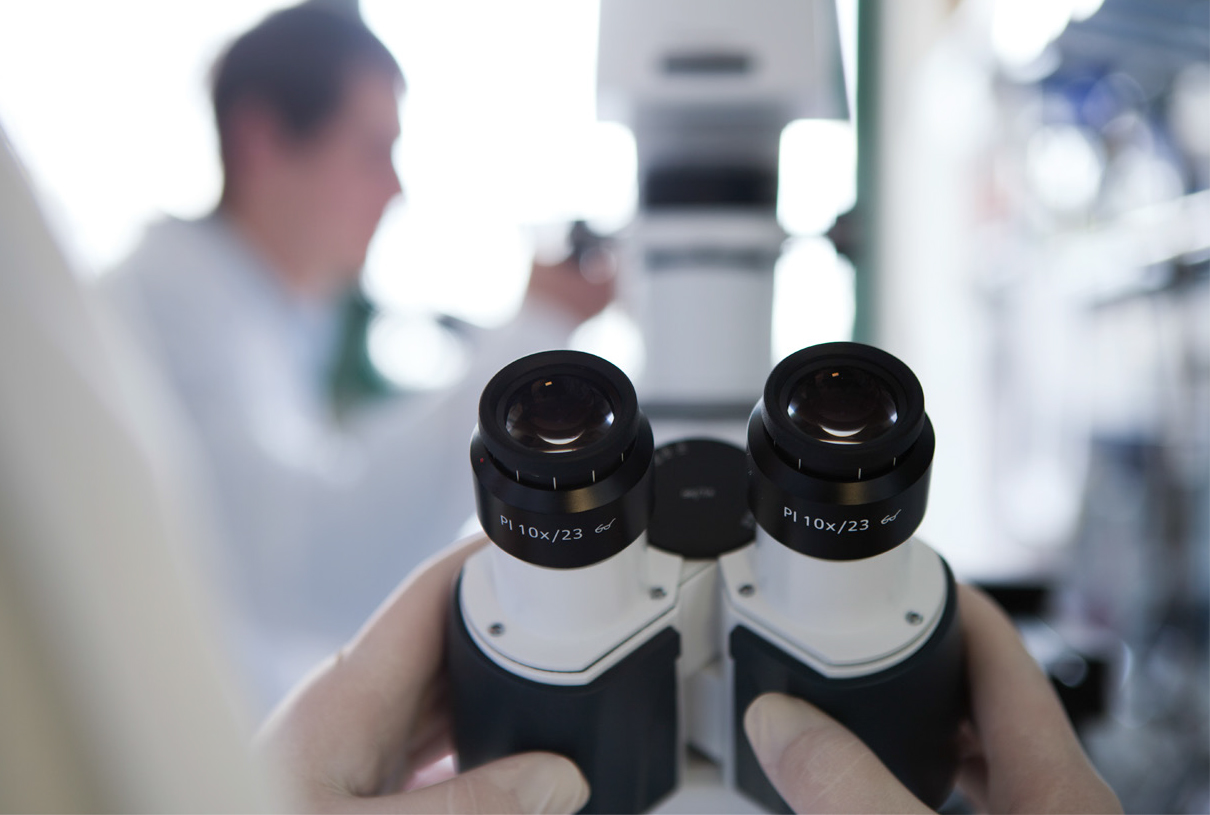
Most microscope eyepieces feature a diopter adjustment to correct minor focus issues. However, those with moderate to severe astigmatism
should wear their glasses to account for more complex visual aberrations. Users not wearing glasses should maintain an optimal distance to ensure
full visibility of the field of view, facilitated by optional rubber eyecups that shield the eye from ambient light and assist in maintaining the
correct viewing distance.
6. Simple Steps to Optimize Your Clinical Microscope
Workplace for Improved Ergonomics
Here are four steps you can take right away to make your microscope setup more ergonomic
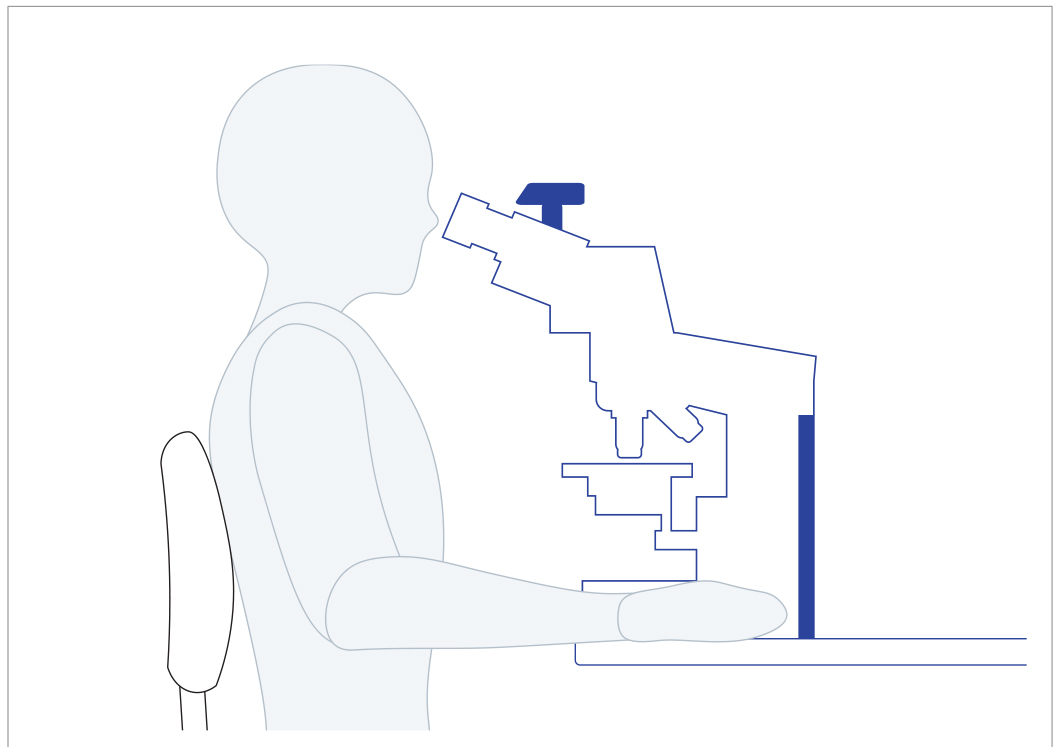
1. Set up your chair properly.
Aim for an upright straight sitting position with adequate lumbar spine support. Your arms should be resting on the table with the instrument controls (focus, stage, and light, etc.) comfortably within reach of your hands.
2. Bring the instrument close to the edge of the desk.
This allows for a relaxed viewing position and eliminates the need to bend forward towards the eyepieces, which puts strain on your neck, shoulders, and spine.
3. Adjust the viewing tube and eyepieces.
Adapting the angle, height, and distance of the binocular eyepieces to achieve a horizontal viewing angle. If necessary, you can rotate the eyepieces too. For eyeglass wearers, adjust diopter correction or eyeglass protection.
4. Allow for body and arm mobility.
Even in the optimal working position, the human body feels less fatigued when being able to have some freedom of movement / repositioning.
In addition, you can also consider the following:
- Optimize the stage friction for comfort.
- Use the light manager to set up light intensity for each objective and contrast method.
- Use an ergonomic rubber knob that requires little torque for fine focusing.
Eyeglass wearers with simple spherical lenses may choose to use the microscope with or without their glasses, depending on the adequacy of the diopter adjustment. However, those requiring toric lenses, designed to correct asymmetrical aberrations, must wear their glasses to achieve accurate microscopy observations, as these irregularities cannot be fully corrected by the diopter setting alone.
7. Conclusion
Occupational Safety and Health Administration (OSHA) officials emphasize the necessity of educating employees on common MSDs, associated risk factors, and the importance of reporting symptoms for those spending significant time using microscopes. While ergonomic advancements are increasingly incorporated by microscope manufacturers, many existing microscopes still lack the necessary features to ensure user comfort and reduce injury risks. Employers must remain vigilant about the potential medical issues that can arise from prolonged microscope use. For older models, aftermarket accessories may serve as a temporary solution to enhance ergonomics. However, the ultimate goal should be a shift towards designing microscopes that not only meet ergonomic standards but also excel in optical quality and performance.
Over the past decade, ergonomic research has pinpointed critical areas concerning the body posture of microscope users. Using this data, ZEISS has made significant strides in developing microscopes
-
Starting at €1,933.00 €2,300.27
Zeiss ergotubes stand for maximum comfort, quality and flexibility. Thanks to the adjustable viewing angle of -2° to 28°, the respective observation posture can be individually adjusted and thus enables ergonomic working. The tubes are available with a field of view of 23mm or 25mm.Starting at €1,933.00 €2,300.27
-
Starting at
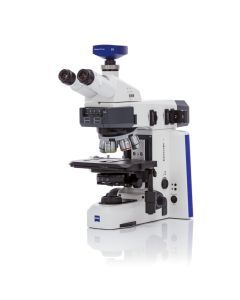
ZEISS Axioscope 5/7 MAT - smart microscope for research and routine in the materials laboratory
- For materials research and metallography
- Powerful with outstanding ease of use
- Advanced light management
- Digital instrument control up to digital archiving
- Motorization of all axes of motion for automated imaging (Axioscope 7)
Starting at